
ElektroBox – DIY Electronics Projects, Tutorials and Practical Tools
ElektroBox is a practical maker website for people who want to turn electronics ideas into real working projects. Here you can find DIY builds with ESP32, Arduino, LED displays, sensors, programming scripts, small browser tools, and project documentation for your own experiments.
The goal is to make each project understandable and reusable: from the first idea and required parts to wiring, code, testing, troubleshooting, and possible improvements. Whether you are building a display project, a small desktop gadget, or a useful electronics tool, ElektroBox is meant to give you a clear starting point.
Start with a complete build
These featured projects show the main direction of ElektroBox: practical electronics builds that combine hardware, software, and a clean final result. Each tutorial is designed to help you understand the idea behind the build and adapt it for your own setup.
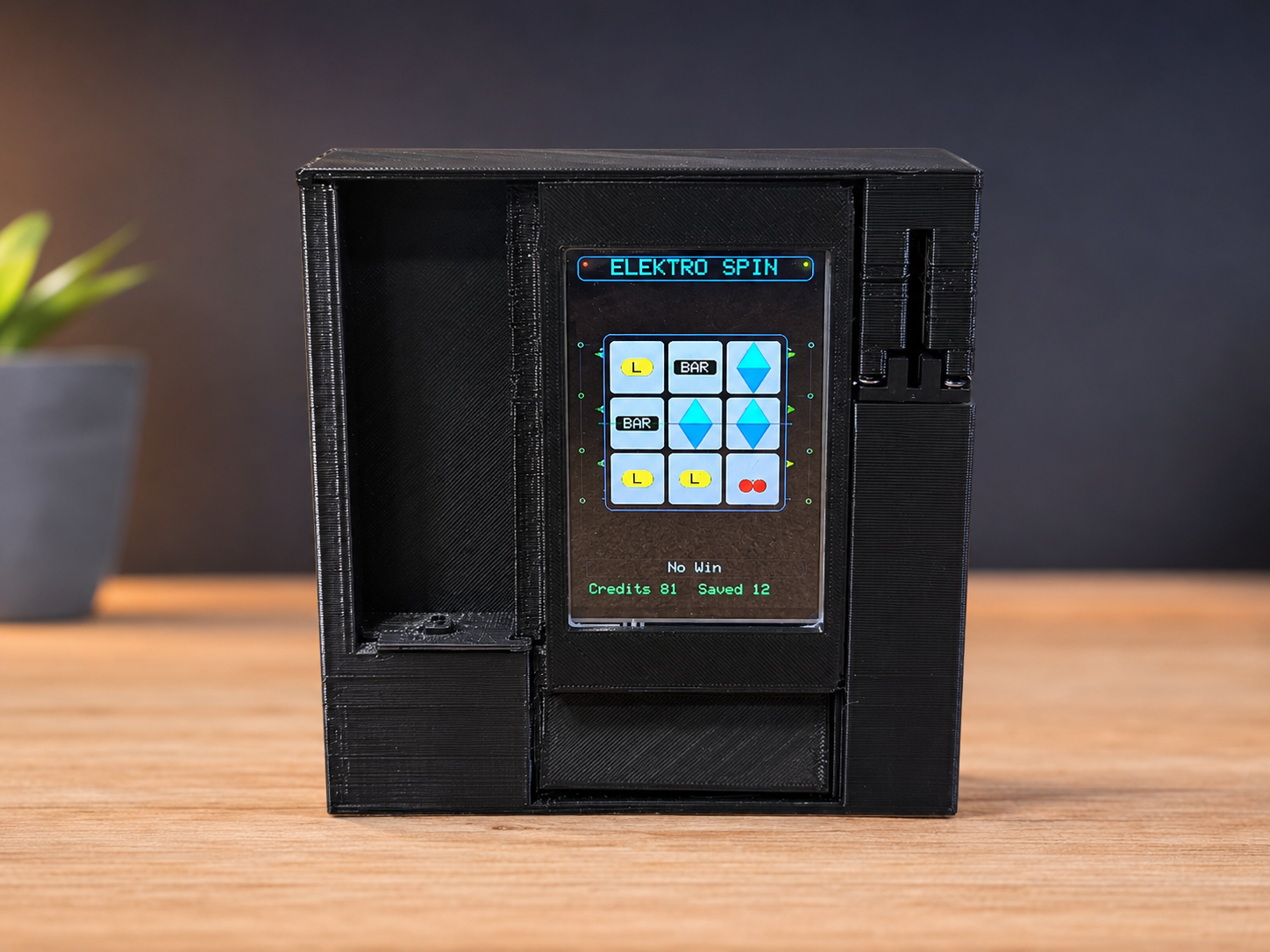
Piggy Bank Slot Machine
Saving money, but make it fun
Build a 3D-printed piggy bank slot machine where every inserted coin gives one spin. Small wins give extra spins, but only the 777 jackpot opens the money chamber.
View Project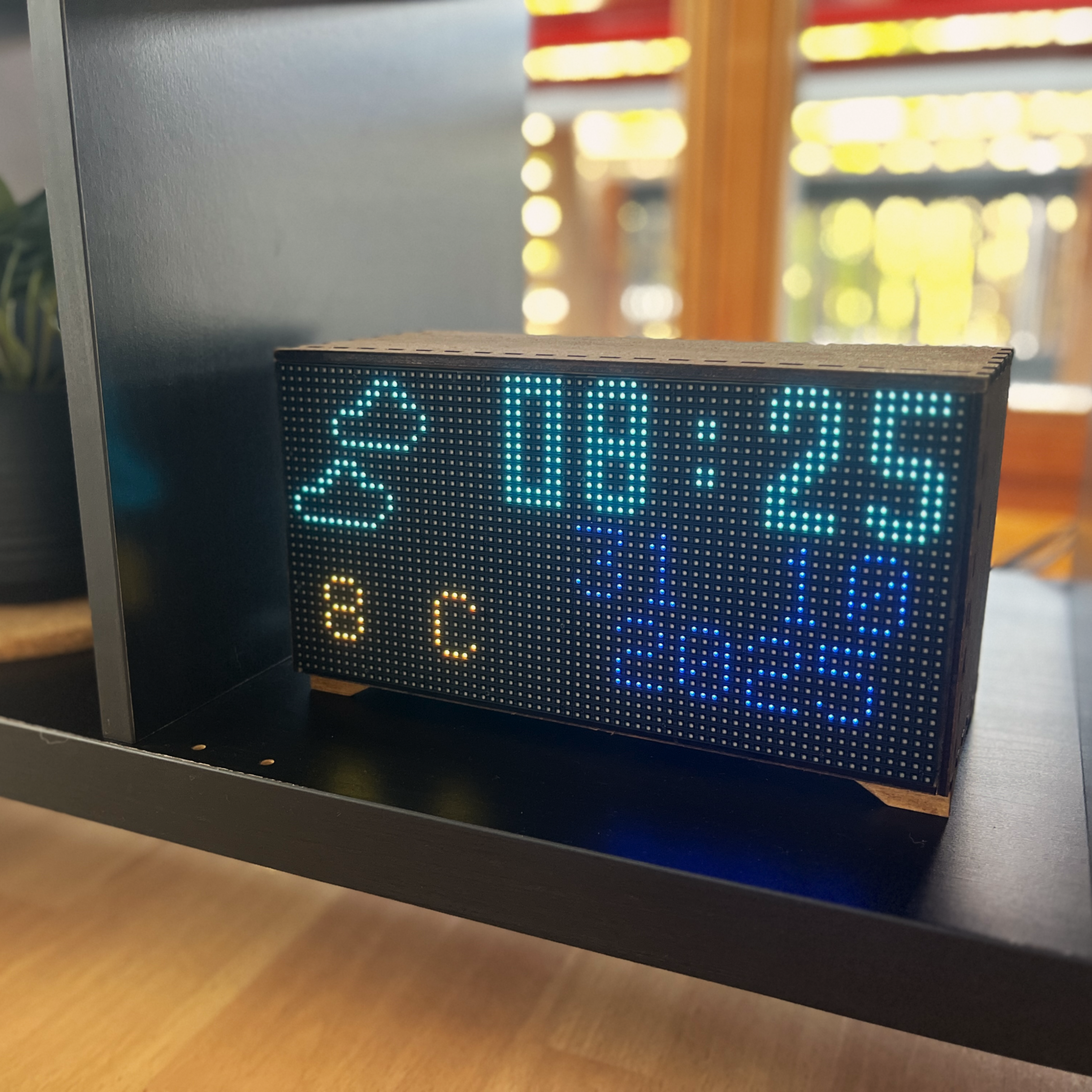
ElektroClock
More than just a clock
Build a smart living-room clock using an ESP32, a crisp LED display, Wi-Fi time synchronization, weather data, night mode, and automatic brightness control.
View Project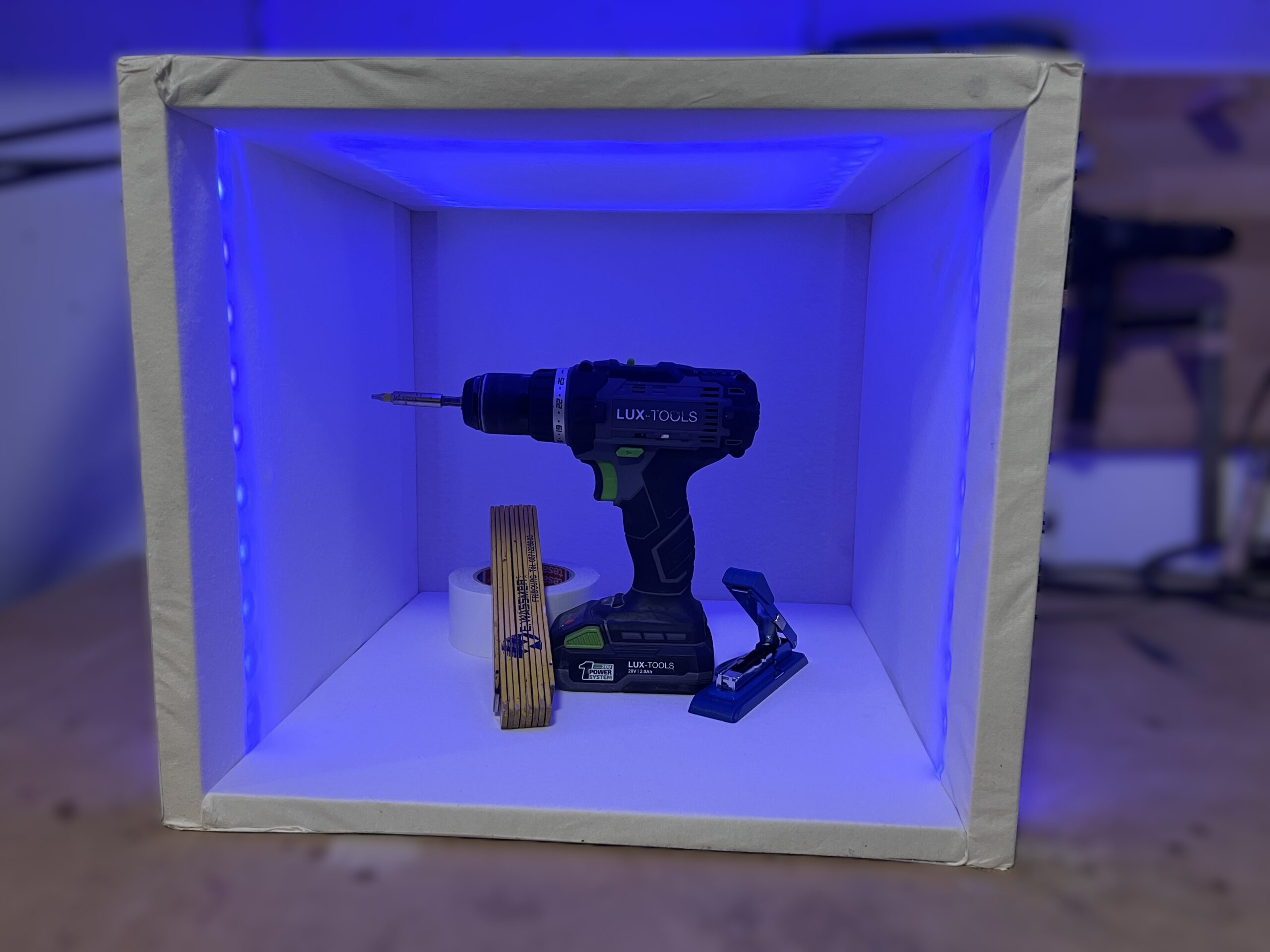
LightBox
Good light equals good photos
Build a 40 × 40 cm DIY lightbox for cleaner product photos using a wooden frame, diffuser fabric, reflective lining, LED strips, and adjustable lighting.
View ProjectShow more complete builds Open to view the next projects
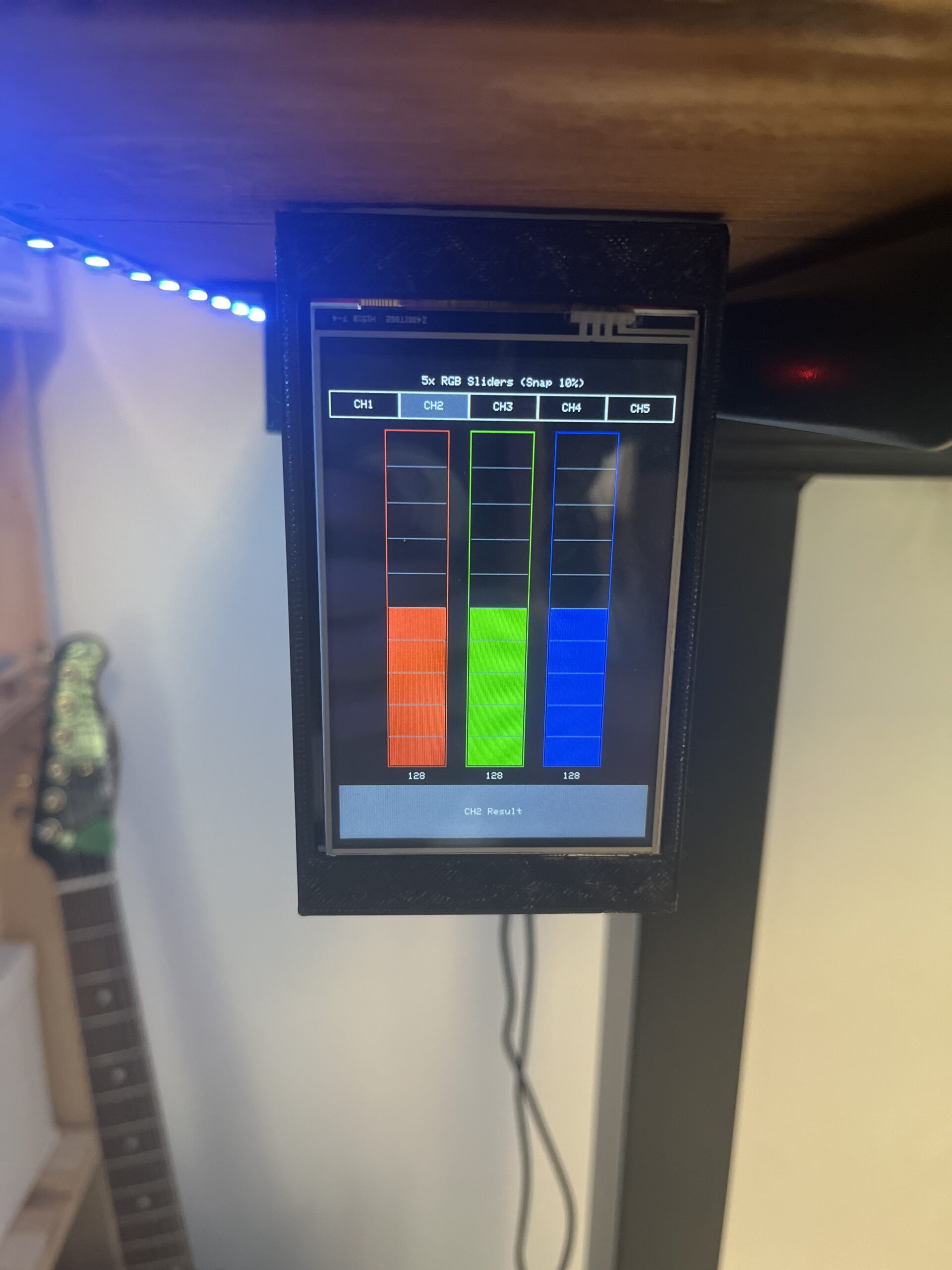
LED Controller
Take control over your lighting
Create a compact RGB LED controller with a touch display and multiple channels for precise brightness, color, and color-temperature control.
View ProjectPractical browser tools for makers
The tools section contains small browser-based utilities for electronics, programming, image conversion, color formats, and common calculations. These tools support the tutorials on this website and help with recurring tasks such as converting units, preparing graphics, choosing colors, or calculating electrical values.
Scientific Calculator
A simple calculator for basic and advanced mathematical calculations.
Conversion Calculator
Convert common physical units quickly and accurately.
Electrical Calculator
Quickly calculate common electrical values and equations.
XBM-565 Editor
Create XBM-565 icons and convert them into code.
Image Converter
Edit your pictures and convert them into other formats.
Color Conversion
Choose a color, enter existing color data, and convert it into different color formats.
Small projects and experiments
This section contains smaller builds, prototypes, and side projects. They are useful when you want a more compact project idea or when you want to reuse parts from another build in a new way.
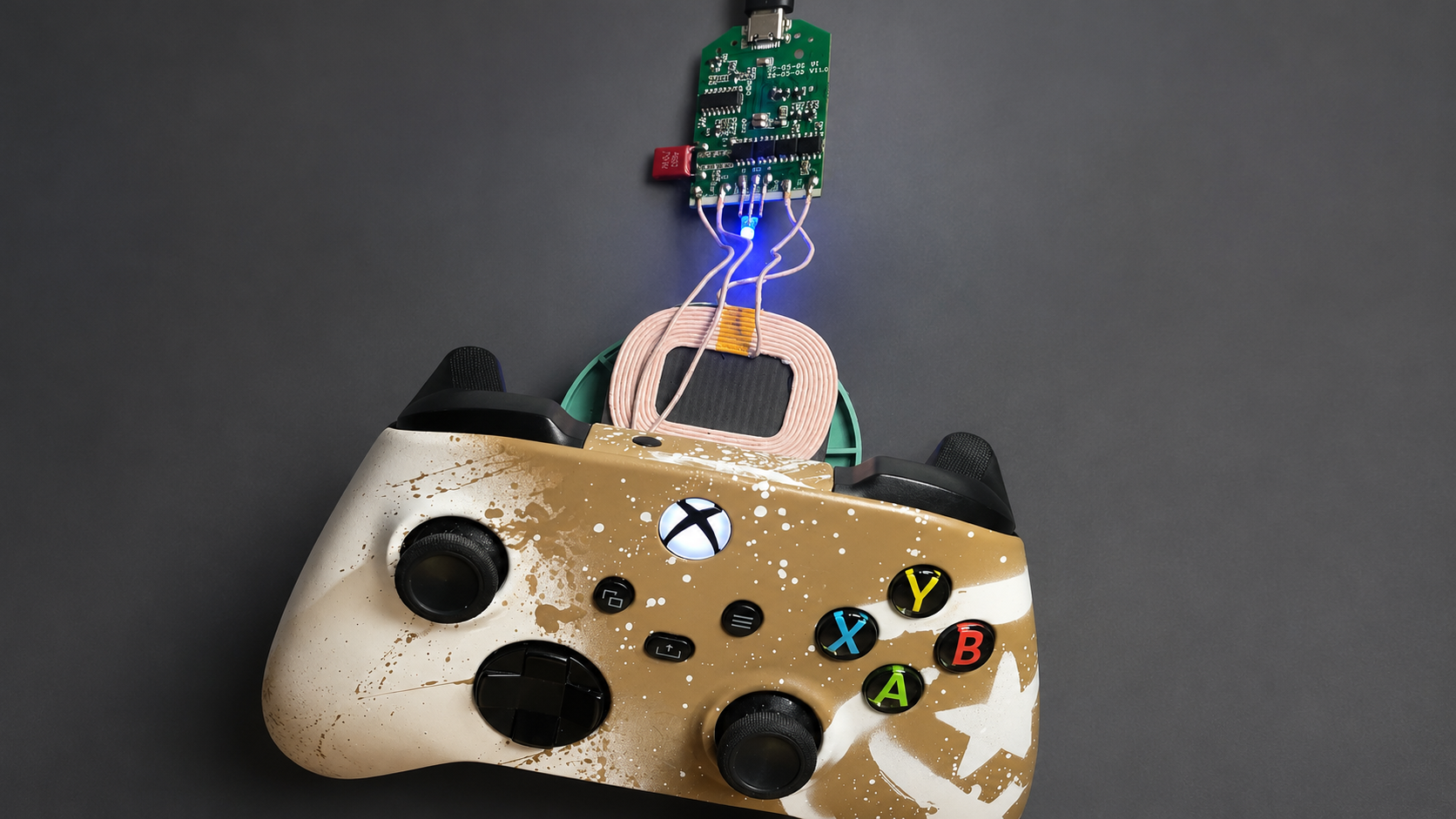
Wireless-Charging Xbox Controller
Modify an Xbox Series X|S controller with an internal rechargeable lithium battery, a wireless-charging receiver, and a regulated 3-volt power supply so the controller is charged and ready whenever you need it.
View Full Tutorial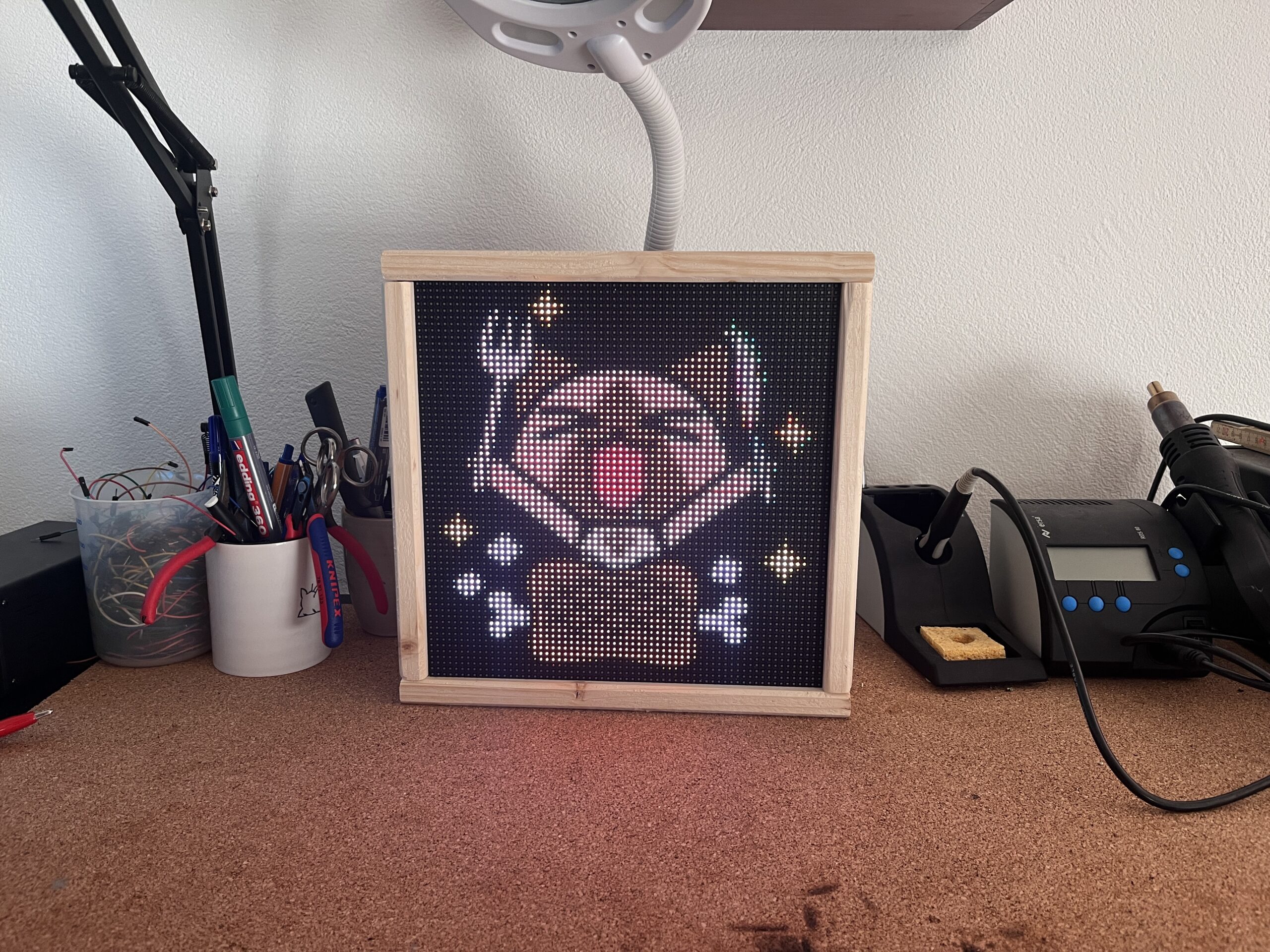
DIY LED Matrix Picture Frame
Build a DIY LED Matrix Picture Frame using two chained LED matrix panels and an ESP32. Display pixel-art images with RGB565 bitmap data, reuse leftover electronics parts, and create a simple 3D-printed mounting plate.
View Full Tutorial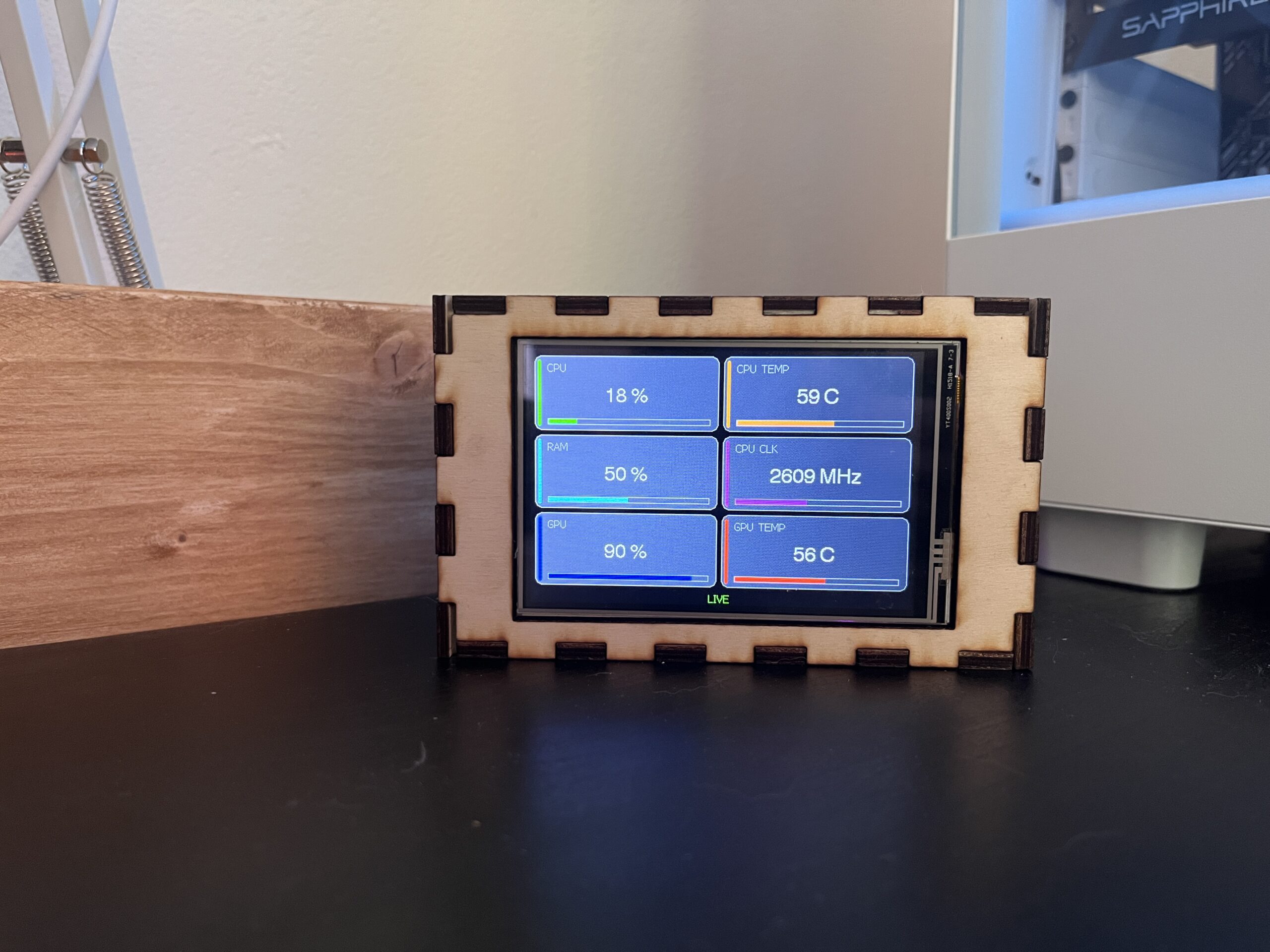
DIY PC Status Monitor
Build a PC status monitor that displays live CPU, RAM, GPU, temperature, and clock-speed data using LibreHardwareMonitor, Python, USB serial communication, and an ESP32 display.
View Full TutorialShow more small projects Open to view older builds and experiments
DIY Time Tracking Monitor
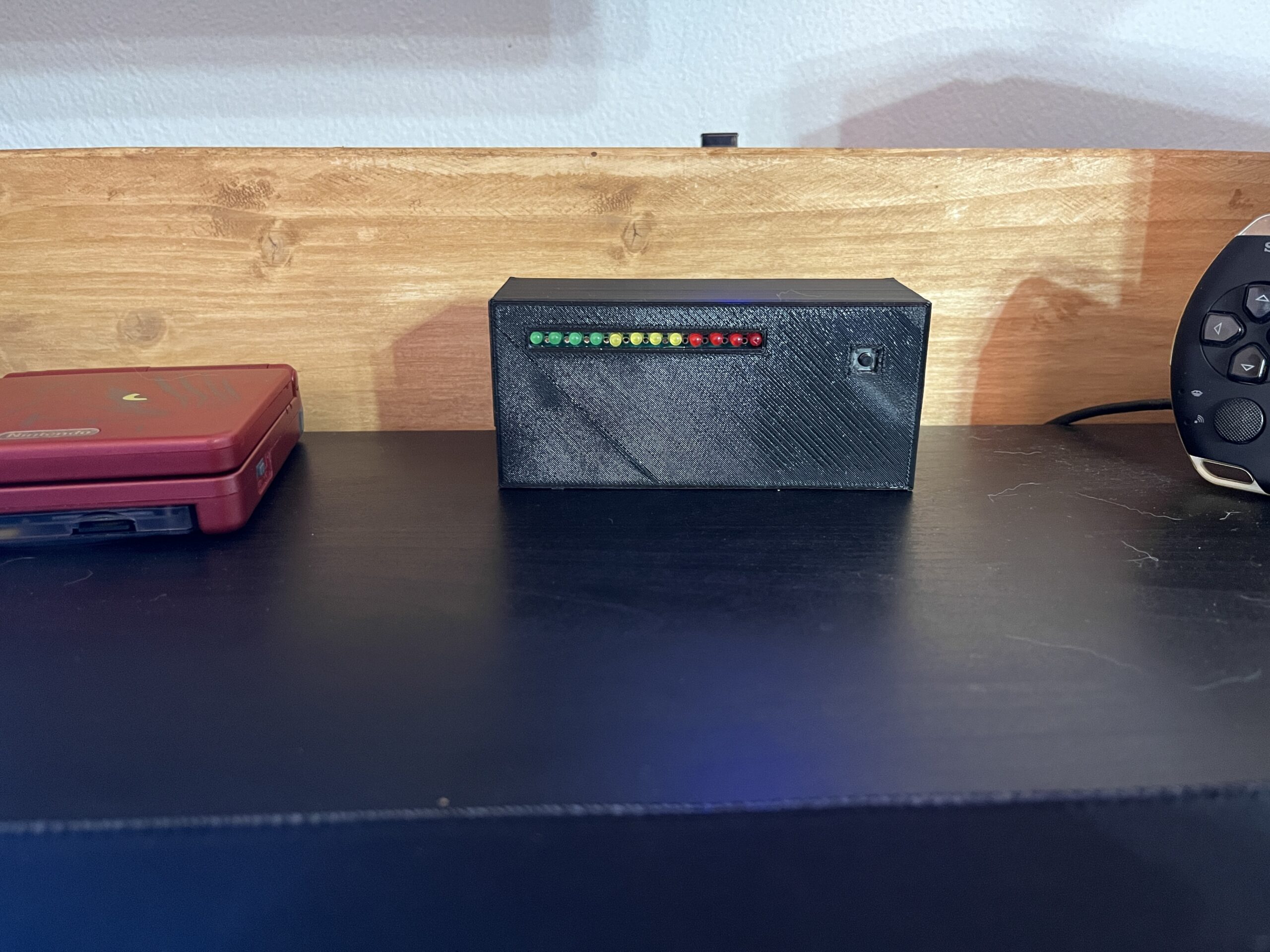
Build a visual time tracking monitor using an Arduino Nano, 12 LEDs, resistors, and one setup button. The LED status bar provides a clear progress indicator for gaming breaks, work sessions, and electronics projects.
View Full TutorialAbout ElektroBox
ElektroBox is a personal DIY electronics and programming website focused on practical maker projects. The content is written from real builds, experiments, prototypes, and tools that are useful during electronics development.
The tutorials are intended for hobbyists, students, and makers who want to learn by building. Project pages usually include the idea behind the build, required components, wiring notes, code examples, testing steps, and suggestions for further improvements.